


Call Us: 289-232-4229
Email: info@slsolutionsevents.ca
Call Us: 289-232-4229
Email: info@slsolutionsevents.ca




You know the moment. The keynote is running, the slides are sharp, and somewhere in row four a hand drifts under the table. Inbox check. Slack scan. A quick scroll through something that isn't your conference.
It isn't personal. Attention is genuinely difficult to hold in a room full of people who manage forty things at once. But here's the thing: the phone isn't the problem. A session that gives people no reason to look up is the problem. And that's entirely fixable with the right planning.
Event management in Toronto has a high bar. Your attendees are busy professionals, financial services, tech, legal, healthcare, consulting — who have sat through a lot of corporate conferences and have a finely tuned radar for content that doesn't justify their time. Meeting that bar isn't about flashier slides. It's about how the program is structured, paced, and designed from the first session through the last.
Here's what actually works.
Keeping Toronto conference attendees engaged comes down to program design, not production value. Build in active participation every 20 to 30 minutes, live polls, small group discussion, structured Q&A, and vary your session formats across the day. Passive keynote-to-panel-to-keynote programs lose rooms by mid-morning. The planners who get it right treat engagement as a structural decision made in the planning phase, not a problem to solve on the day.
The short answer: because the program lets them.
Passive formats are the root cause. When attendees sit through back-to-back keynotes with no expectation of participation, phones fill the cognitive gap. Research from Bizzabo's 2025 State of Events Report found that 74% of attendees consider immersive experiences important at conferences, yet only 38% of organizers actually prioritize them. That gap is where engagement falls apart.
There is also a Toronto-specific reality worth naming. The professionals filling your conference room manage full calendars, multiple direct reports, and a steady stream of notifications. They have not blocked out their day to stare at a slide deck they will receive by email anyway. They came to engage, connect, and take something away. If the program doesn't give them that, their inbox will.
The good news is that this is almost always a design problem, not an audience problem. The same group of people who check their phones during a passive two-hour plenary will stay locked in during a well-structured workshop. The difference is entirely in how the time is built.

Active participation is the core variable. Industry data is consistent on this point: 92% of attendees prefer interactive experiences over passive sessions, and the gap in information retention between formats is meaningful. When people participate, they remember more and leave feeling the day was worth their time.
In practice, a few specific tactics make the biggest difference:
Live polling and real-time Q&A are the lowest-lift, highest-return engagement tools available. A well-placed poll at the start of a session tells attendees their perspective is part of the conversation, not just the speaker's. Platforms like Slido and Mentimeter integrate easily with most AV setups and work well in the conference venues Toronto planners use most often. One note: build the polling prompts in advance, not on the day. Improvised questions rarely land as well as considered ones.
Structured breakout discussions break up the energy of a plenary room and generate the kind of peer-to-peer exchange that attendees frequently name as the most valuable part of a conference when surveyed afterward. The key word is structured. Open networking time with no prompt or objective tends to produce awkward standing-around. Fifteen minutes with a specific question and a designated sharer produces actual conversation.
Session variety across the day matters more than any individual session. A morning keynote, a panel, a workshop, and a case study discussion will hold a room longer than four keynotes, regardless of how good the speakers are. Plan the arc of the day the way you would plan the arc of a good meeting: opening energy, deepening content, practical application, and a close that feels like resolution rather than an abrupt stop.
As Susan L. LoCicero from TD Wealth put it after S&L Solutions managed 200 guests across four programs in a single day: "your positive energy and get it done attitude; it was really what won it for us yesterday." Engagement isn't only about the program structure. It's about the energy of the room — and that starts with how the event is led on the day.
Build active participation into the schedule before the day starts.
The most common mistake in conference planning is treating engagement as decoration: a few polls here, a networking break there, added on top of a program that was already set. Engagement that works is structural. It lives in the run-of-show, not in the notes column.
A practical framework that works well for full-day Toronto corporate conferences:
The 20-to-30 minute rule is worth following. Research consistently shows audience attention begins to drift significantly after about 20 minutes of passive listening. Plan a point of interaction — a poll, a discussion prompt, a Q&A moment — at least every 20 to 30 minutes across the program. This doesn't require redesigning the entire conference. It requires knowing where those moments fall before the day starts.
Morning sessions should carry the most cognitive weight. Attendees arrive with the most energy and focus in the first two hours. This is the time for your most important content, your most credible speakers, and your most substantive discussions. Save lighter formats and experiential elements for the post-lunch window, when energy predictably dips and a passive session will lose half the room.
Give speakers engagement tools in advance. Not all speakers are natural facilitators. Brief your presenters on the polling platform, give them two or three prepared questions they can throw to the room, and remind them that the goal is a conversation, not a lecture. This brief investment in speaker prep pays off noticeably on the day.
Protect the transition moments. The gaps between sessions are where attendees decide whether they are still invested or just waiting out the clock. A purposeful five-minute break with a specific prompt, write down one thing you're taking from the last session, or find someone you haven't spoken to yet, keeps momentum alive in a way that an unstructured fifteen-minute coffee break rarely does.
Venue choice and logistics have a direct effect on the energy of a room. This is where local knowledge matters.
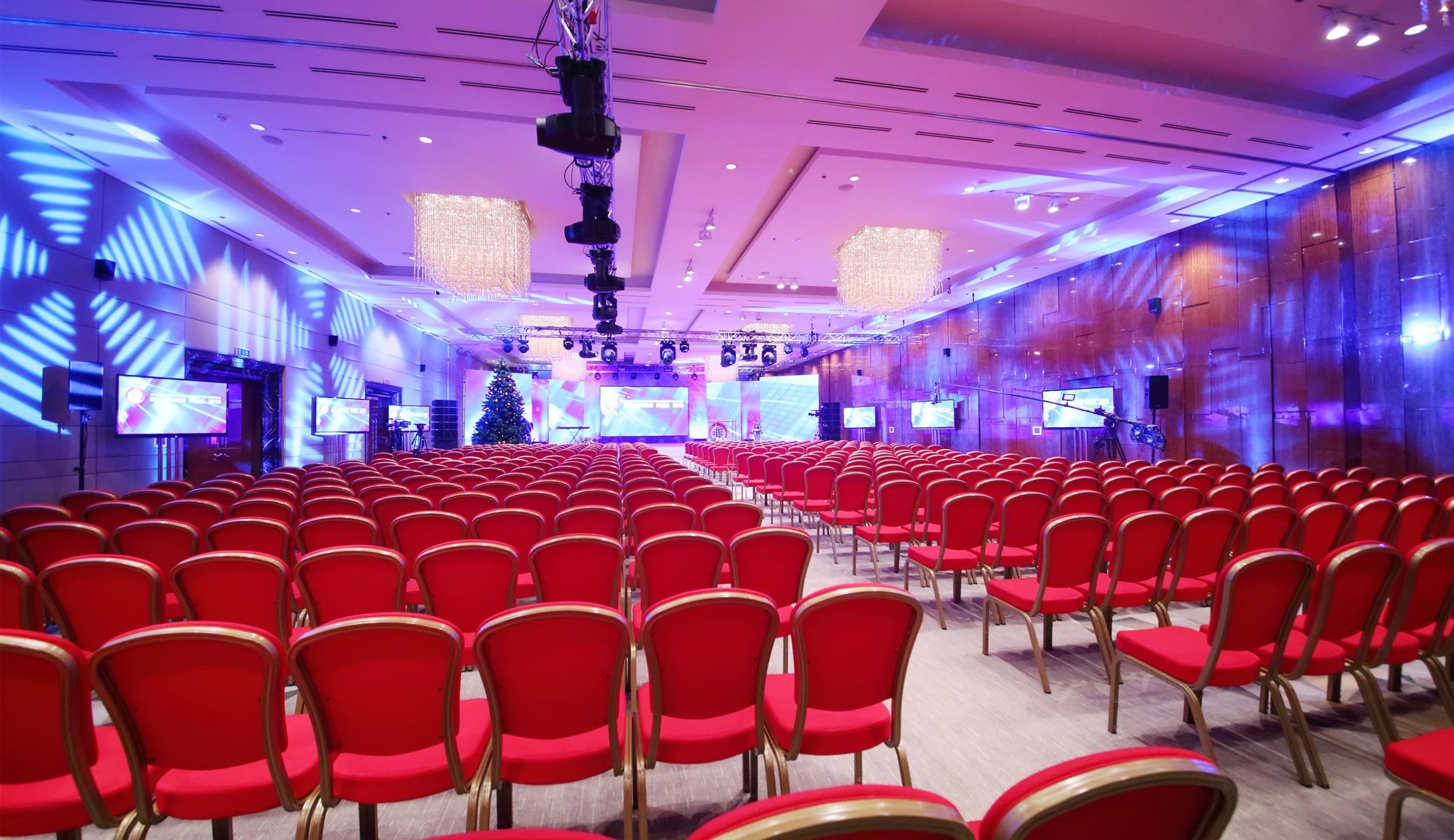
Room setup at Toronto venues deserves more attention than it usually gets. Boardroom-style seating signals hierarchy and passivity. Cabaret or cluster seating signals conversation and participation. Most of Toronto's major conference venues, the Metro Toronto Convention Centre, the Globe and Mail Centre, the Bisha Hotel, can accommodate flexible room configurations, but this needs to be confirmed well in advance. AV setup at the MTCC in particular has specific requirements and load-in windows that affect how early you can test your engagement technology. Arriving at bump-in to discover the polling platform isn't compatible with the house AV is not a problem you want to solve at 7 a.m. on event day.
Heritage venues come with their own set of considerations. The Carlu and venues in the Distillery District are stunning, and they generate genuine atmosphere. They also come with noise restrictions, restricted freight access, and in some cases union labour requirements that affect setup timing and cost. If your engagement plan includes production-heavy activations — large screens, immersive audio, interactive installations, confirm venue restrictions before finalizing that part of the program design.
Toronto's multi-sector, multi-cultural workforce brings a real diversity of communication styles into the room. What reads as enthusiastic participation for one group reads as performative for another. The engagement tactics that land best in a financial services conference in the Financial District are not necessarily the same ones that land in a tech company offsite in Liberty Village. Building in audience-appropriate formats, and being willing to read the room and adjust on the day, is the difference between engagement that feels genuine and engagement that feels like a team-building exercise no one asked for.
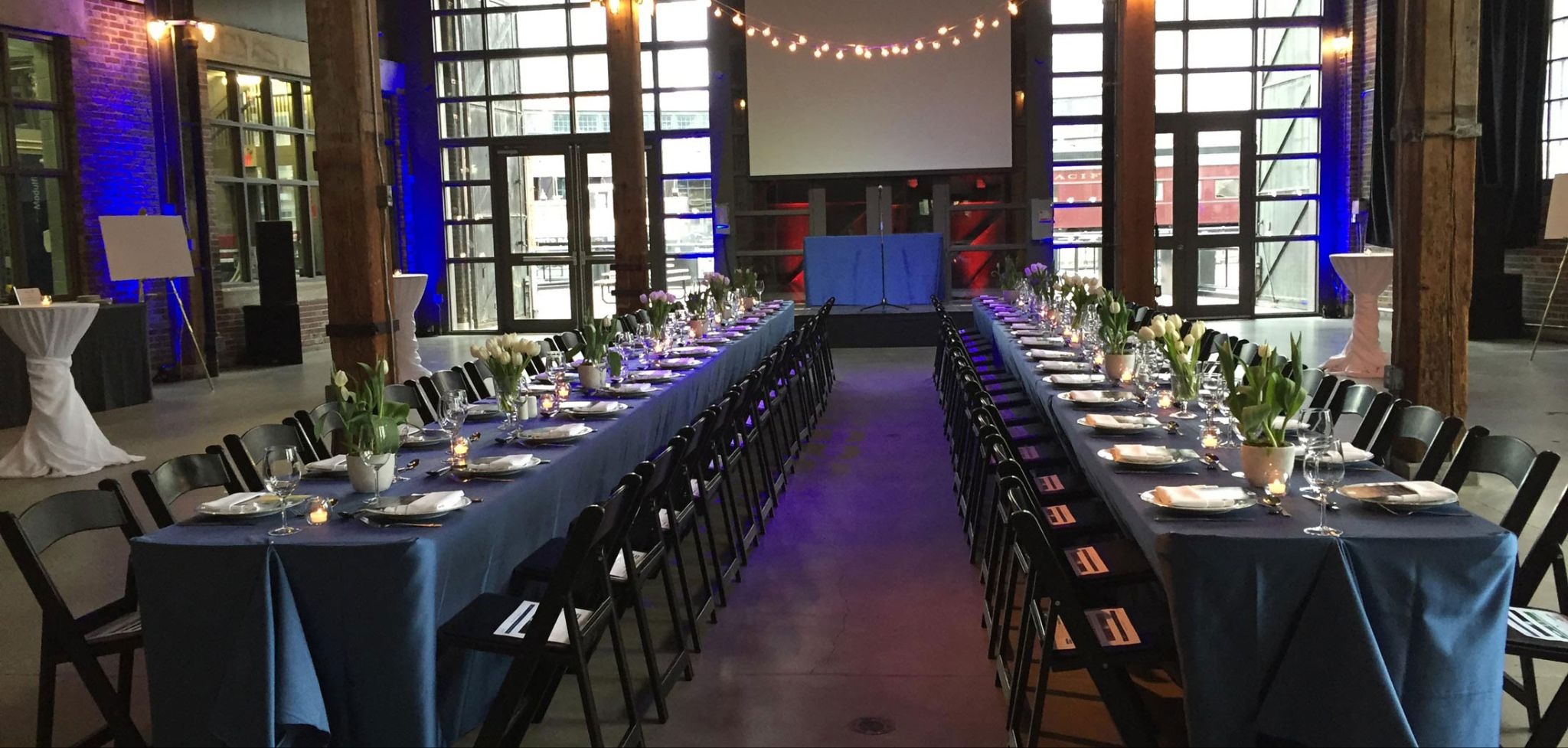
Not every engagement decision needs to be made in the first planning meeting.
Specific technology platforms can be evaluated and selected six to eight weeks out, once the program structure is confirmed. Choosing a polling platform before you know how many sessions you're running and what format each will take leads to over-speccing or under-speccing. Know the program first.
Speaker coaching and briefing is most effective four to six weeks before the event, when the run-of-show is firm and speakers can prepare their interaction moments with the actual agenda in mind. Earlier is too abstract.
Specific breakout prompts and discussion questions work best when they're built around the confirmed agenda, not drafted months in advance and retrofitted. Lock the program structure early. Build the engagement content once the structure is set.
Post-event follow-up content, personalized recaps, session summaries, attendee-specific resources — can be planned in framework early, but the actual content is naturally a post-event task. Build the infrastructure for it in advance; produce the content after.
What cannot wait: confirming room configuration with your venue, testing your AV and technology setup, and briefing your on-site team on the engagement plan. These are the pieces where Toronto logistics leave no room for last-minute pivots.

Most companies don't need a one-off vendor who shows up a few weeks before the conference with a checklist and disappears when the doors close. They need a planning partner who understands that engagement isn't a bolt-on feature, it's a design decision that runs through every part of the program.
That's how S&L Solutions works. From program structure to on-site execution, we help corporate event planners in Toronto build conferences that hold a room from the opening session to the closing CTA — and leave attendees feeling like the day was genuinely worth their time.
Whether you're planning a 50-person leadership summit or a 300-person all-company conference, the engagement architecture matters as much as the speaker lineup. Start there, and the rest of the day has somewhere to build toward.
Ready to plan a Toronto conference that keeps attendees present? Connect with the S&L Solutions team to start the conversation: slsolutionsevents.ca
For a conference of 50 or more people, start planning six to nine months out for fall or holiday dates. The most in-demand Toronto venues, Globe and Mail Centre, Metro Toronto Convention Centre ballrooms, boutique hotel event spaces in the Financial District, book well in advance for peak conference season. Venue availability is the long-lead item. Engagement content, speaker briefing, and program fine-tuning can happen closer in, but securing the date and space cannot.
Give attendees something to do with their attention rather than banning what competes for it. Passive programs lose rooms to phones. Conferences structured with active participation every 20 to 30 minutes, live polls, structured Q&A, small group discussion, naturally pull focus back to the room. The phone-checking moment is almost always a symptom of a passive format, not a problem with the audience.
Live polling platforms like Slido and Mentimeter integrate well with the AV setups at most Toronto venues and require minimal tech support on the day. Event apps that include personalized agendas and attendee networking features add engagement before and between sessions. Research from Bizzabo suggests 55% of attendees say the event app can make or break their conference experience. For in-person Toronto events specifically, structured networking formats with a clear prompt or format consistently outperform open networking time.
Post-lunch is the highest-risk window of a full-day conference. Use your most interactive formats here: workshops, collaborative exercises, case study discussions, or a well-designed panel with active audience participation. Avoid scheduling your most content-dense keynotes in the 1:30 to 3:00 window. If your program requires a presentation in that slot, build in a physical movement moment or an interactive poll in the first five minutes to reset the room's attention.
Room configuration is the most underestimated factor. Theatre-style seating makes participation feel formal and effortful; cluster or cabaret seating makes it feel natural. Most major Toronto venues can accommodate flexible configurations, but this needs to be confirmed and booked in advance. Heritage venues like the Carlu have noise and production restrictions that can affect which engagement activations are possible. The Metro Toronto Convention Centre requires specific AV coordination and has tight bump-in windows that affect technology setup timing.
A conference typically runs for a full day or multiple days, centers on content delivery and professional development, and has a larger and often cross-functional audience. A corporate event is broader — it can include team-building days, client appreciation events, holiday parties, or executive retreats. Both benefit from intentional engagement design, but conferences require more structured program architecture and more deliberate planning around session pacing, speaker management, and attendee flow across a longer time horizon.
The most useful engagement metrics are session-level participation rates (polls completed, Q&A questions submitted), attendee satisfaction scores collected immediately after each session while the experience is fresh, and post-event survey completion rates as a proxy for overall investment in the day. Qualitative signals matter too: side conversations at breaks, volume of questions during Q&A, and how quickly people return from breaks are all real-time indicators that experienced on-site coordinators track. Match these against your pre-defined objectives to assess whether the day delivered.
Written by Sharm, Director of Solutions at S&L Solutions Events. Sharm has managed on-site execution for corporate conferences and multi-program events across Toronto, including coordinating 200 guests across four simultaneous programs in a single day for TD Wealth.


