


Call Us: 289-232-4229
Email: info@slsolutionsevents.ca
Call Us: 289-232-4229
Email: info@slsolutionsevents.ca





Most corporate events start with good intentions and a spreadsheet. On the surface, it seems manageable.
If event planning were just booking a venue and ordering sandwiches, we’d all be done by lunch.
In Toronto, though, seamless events do not happen by accident. Between venue rules, vendor coordination, tight downtown logistics, and layered contracts, professional planning is a phased, strategic process, not a last-minute scramble.
That is what true event management Toronto looks like. At S&L Solutions, we guide corporate teams from strategy through execution, making sure nothing is left to chance and everything runs exactly as it should.

Before venues are toured or vendors are contacted, strong events start with strategy. This is the part many teams rush through, and it is the part that determines whether the event actually delivers value.
The theme is not the strategy. The location is not the strategy. Even the agenda is not the strategy.
The real starting point is the “why.”
Is this event designed to boost employee engagement? Strengthen client relationships? Support revenue goals? Reinforce culture after a big organizational change? When objectives are clear, every decision that follows becomes easier and more aligned.
Strong corporate events are tied to measurable outcomes. That might mean higher internal participation rates, stronger client retention, brand positioning, or direct lead generation. Without that clarity, it is easy to overspend on aesthetics while underserving the purpose.
Equally important is internal alignment. Marketing, HR, leadership, and finance may all have different expectations. Early conversations bring those perspectives together before contracts are signed and budgets are locked.
Once goals are clear, the next step is building a budget that reflects real Toronto conditions.
Premium venues, service charges, AV requirements, union labor considerations, and downtown logistics all affect costs. A realistic budget accounts for these factors up front, rather than assuming best-case scenarios.
Contingency planning is also essential. A well-structured event budget includes a protected buffer, not as a luxury, but as a safeguard. That buffer absorbs unexpected adjustments without triggering panic or last-minute approvals.
This is exactly where our event organizer services come in. We help corporate teams create strategic budgets and planning frameworks before a single vendor is booked. The result is fewer surprises, stronger cost control, and a much smoother path from strategy to show day.
When Phase 1 is done properly, everything that follows becomes more efficient, more focused, and far less stressful.
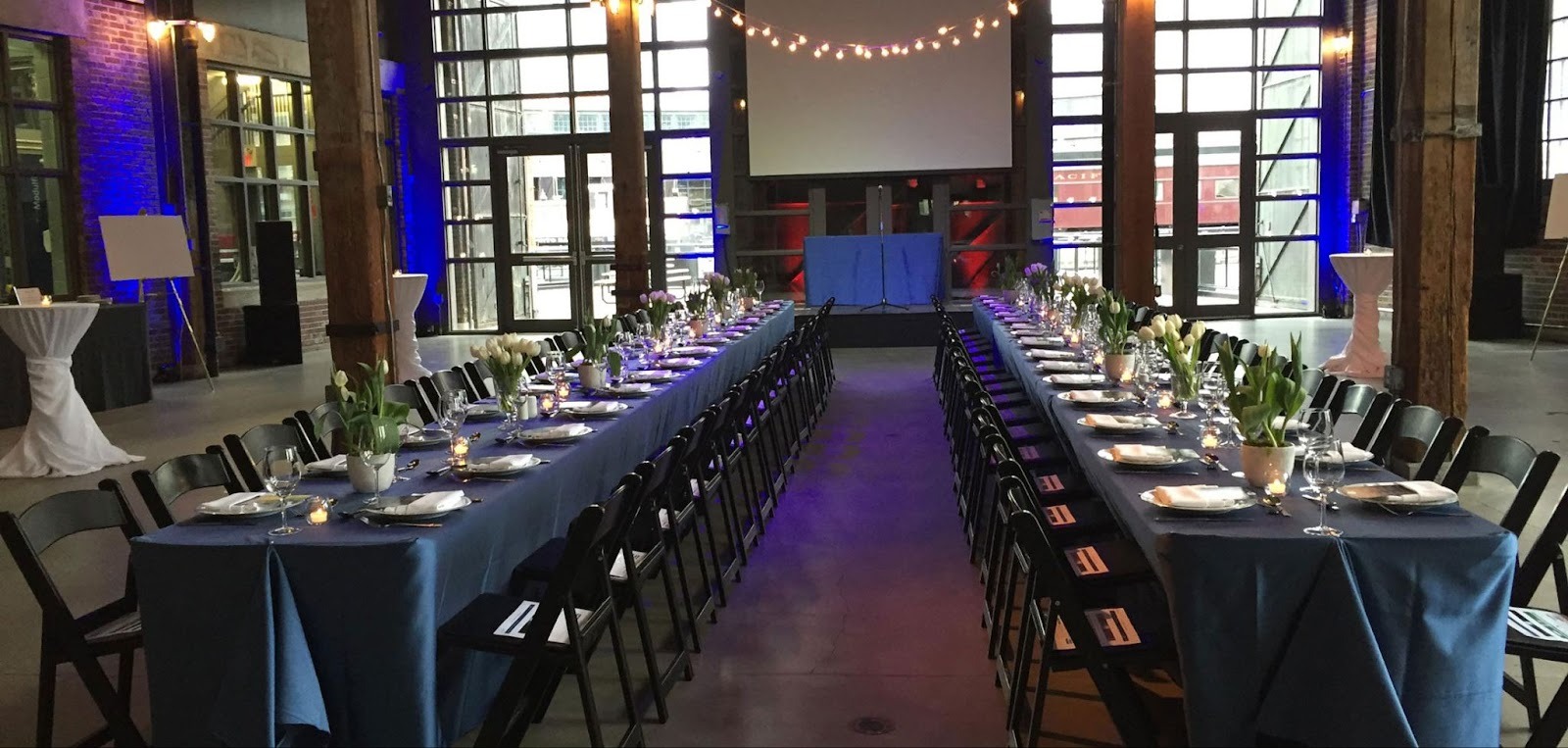
Once strategy is locked, sourcing begins. This is where experience really matters, especially in Toronto.
Toronto is not a casual booking city. Prime dates in spring and fall move quickly, and high-demand venues often secure corporate bookings months in advance. Waiting too long can mean compromising on layout, location, or budget.
Beyond availability, venue selection in this market involves understanding union considerations, exclusive vendor policies, and operational rules that directly impact cost and timing. Some venues require union labor for certain tasks. Others have strict load-in and load-out windows that influence your entire event schedule.
Load-in logistics alone can determine how many crew hours you pay for. Limited dock access, freight elevator bookings, and timed building access all affect production planning.
This is why thoughtful venue sourcing is more than comparing rental rates. It is about selecting a space that aligns with your objectives, your production needs, and your budget realities.
Once the venue is secured, vendor strategy begins.
AV, catering, décor, staging, production, entertainment, security. Each vendor contract carries its own terms, timelines, and fee structures. In Toronto, many venues also have in-house requirements or preferred supplier lists that must be navigated carefully.
Understanding what is mandatory versus optional can significantly impact costs. Service charges, labor minimums, patch fees, overtime rules, and cancellation clauses all deserve attention before a signature is placed.
This is where our event logistics & vendor management expertise protects clients. We review contracts with a practical lens, negotiate timelines that work, and coordinate vendors so they operate as one cohesive team rather than isolated providers.
Professional sourcing is not about finding the cheapest option. It is about building the right team, aligning expectations early, and preventing issues before they appear on an invoice or during load-in.
In a city as layered as Toronto, proactive planning at this stage is what keeps show day calm.
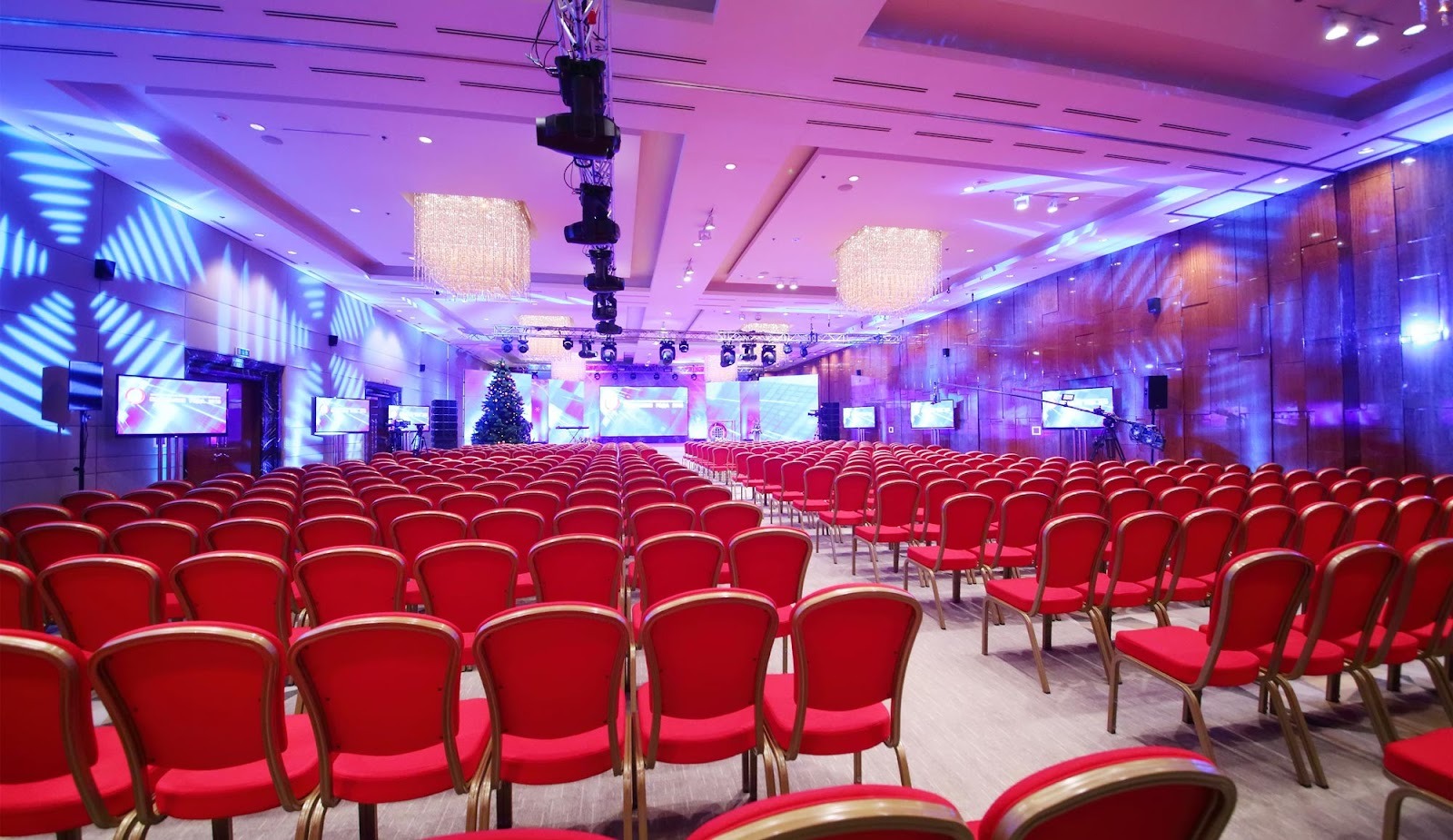
This is the stage where spreadsheets get complicated.
On paper, the event looks solid. The venue is booked. Vendors are confirmed. The date is locked. But now all the moving parts have to work together in real time. In Toronto, this is where experience makes a noticeable difference.
Professional planners do not build timelines forward from “doors open.” We build them backward from show day.
What time do guests arrive? Work backward to registration setup.
What time does programming start? Work backward to AV checks, rehearsals, and staging.
What time does load-in begin? Work backward to dock access, freight elevator bookings, and crew call times.
In Toronto venues, union labor rules, minimum call hours, and timed building access all shape your schedule. Freight elevators often require reservations. Loading docks have strict windows. Downtown traffic can easily delay vendors if buffer time is not built in.
Backward planning is not overthinking. It is protecting the timeline before the timeline becomes expensive.
Logistics should never be visible to guests. That is the goal.
Registration flow needs to be intuitive and staffed appropriately. In busy downtown buildings, this often means accounting for lobby congestion and shared elevators.
Signage and wayfinding must be clear, especially in multi-level venues or heritage spaces where layouts are not always straightforward. Guests should never feel lost or unsure where to go next.
Accessibility and comfort also matter. Coat check flow in winter. Seating layouts that allow easy movement. Dietary considerations clearly communicated. Quiet spaces for networking or private conversations.
When guest experience is designed intentionally, the event feels polished without anyone knowing why.
Every Toronto event needs a Plan B.
Weather can disrupt transportation. Construction can impact access routes. Vendors can hit traffic delays. AV equipment can malfunction.
Professional planning anticipates these realities. Backup microphones. Extra extension cables. Alternative load-in routes. Confirmed contact trees. Clear escalation paths.
This is where strong on-site event services become essential. On show day, someone needs to monitor the timeline, coordinate vendors, and resolve issues before they ripple outward.
Phase 3 is where DIY plans often struggle, not because the ideas were bad, but because the coordination required is significant. In a city as operationally complex as Toronto, detailed logistics planning is what turns a good concept into a smooth experience.
Show day is where all the planning either proves itself or unravels.
To guests, it should feel seamless. Smooth registration. On-time programming. Clear transitions. No visible stress. Behind the scenes, however, dozens of moving parts are operating simultaneously.
Professional Toronto event management on show day looks like controlled coordination.
Vendors check in and are directed to the correct load-in points. AV runs rehearsals on schedule. Catering aligns service timing with programming. Speakers are briefed before they walk on stage. Adjustments happen quietly, without disruption.
This is not reactive scrambling. It is proactive management.
In Toronto venues especially, small delays can cascade. If a freight elevator runs behind, staging can be delayed. If staging is delayed, rehearsals shift. If rehearsals shift, programming tightens. Someone has to be watching that chain in real time and making decisions before the dominoes fall.
That is the role of experienced on-site event services.
We operate with a command-center mindset. Clear communication. Defined roles. Direct vendor contact. Immediate problem-solving. Clients are insulated from the stress so they can focus on leadership, networking, and content.
The goal is simple. You look composed. Your guests feel taken care of. And the event runs exactly as it should.
That is what professional execution actually looks like.
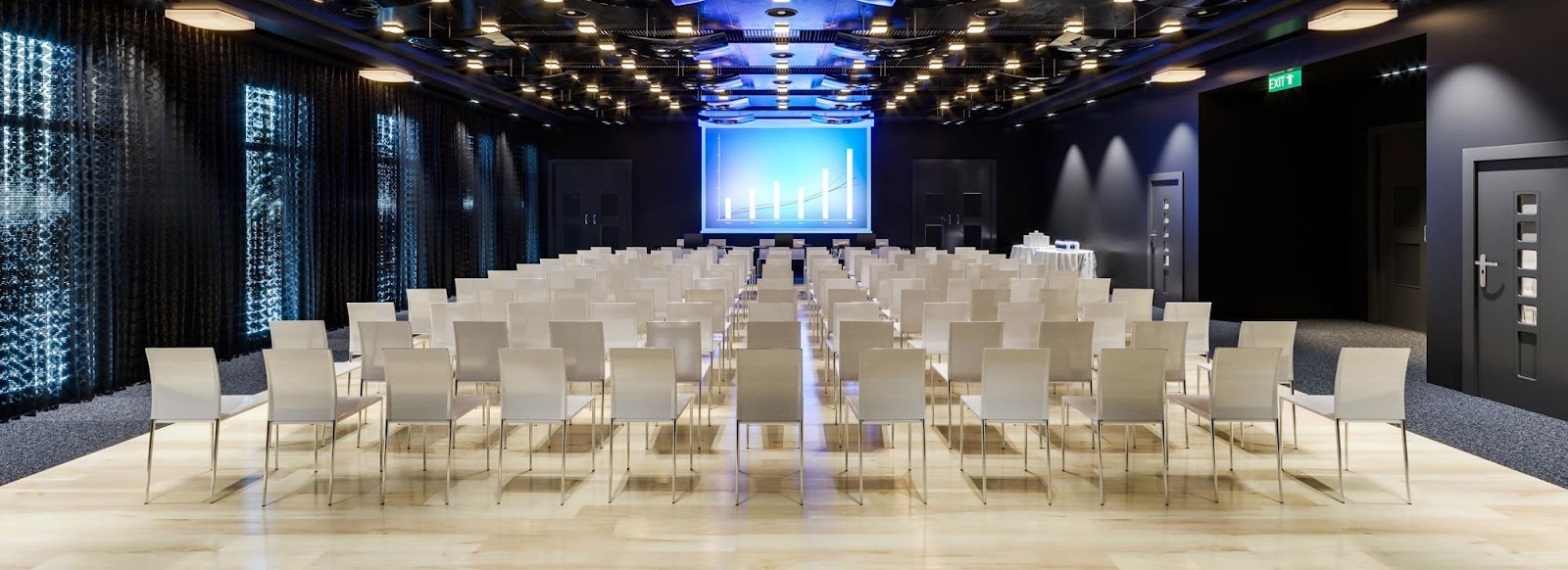
If you are an executive assistant, you are likely juggling leadership calendars, internal coordination, vendor emails, and last-minute requests. If you sit in marketing, you are protecting brand standards and ROI. HR teams are thinking about culture and engagement. Corporate communications leads are thinking about messaging and reputation.
An event touches all of you.
The challenge is that planning a corporate event in Toronto is not a side task. It is a project with contracts, regulations, timelines, and financial accountability attached to it.
Working with a strategic partner saves time because you are not researching venues at midnight or negotiating AV contracts between meetings. It reduces risk because someone is actively reviewing vendor terms, watching timelines, and planning contingencies. It protects reputation because show day is managed professionally, not improvised. And it improves attendee experience because logistics are thoughtful and invisible.
At S&L Solutions, our event organizer services establish the strategy and budget guardrails. Our event logistics & vendor management coordinates vendors and contracts so details align. Our on-site event services ensure execution is calm and controlled.
The result is not just a successful event. It is a smoother process for your team from start to finish.
When we talk about professional planning from strategy to show day, this is what we mean.
Clear strategy so the event supports real business goals.
Smart contracts that protect your budget and timeline.
Controlled spending that accounts for Toronto realities.
Seamless execution that shields you from last-minute stress.
You are not chasing vendors. You are not troubleshooting elevators. You are not managing microphone batteries five minutes before a keynote.
You focus on content and connections. We focus on everything else.
That is what full-service event management Toronto support should feel like.
Professional event planning is not about spending more. It is about planning smarter.
In a city like Toronto, where venues are competitive and logistics are layered, thoughtful strategy and experienced coordination make all the difference. When the right foundation is in place, everything from sourcing to show day becomes more efficient and more predictable.
If you are planning a corporate event and want experienced support behind the scenes, we would love to help.
Connect with S&L Solutions to start planning your next event with confidence:
https://www.slsolutionsevents.ca/contact


