


Call Us: 289-232-4229
Email: info@slsolutionsevents.ca
Call Us: 289-232-4229
Email: info@slsolutionsevents.ca





Send the same generic RFP template to five Toronto vendors and you'll get five proposals back that don't actually compare to anything. One quotes AV as included. Another bills it separately and doesn't mention that until the invoice. One assumes a Friday load-in. Another assumes you're covering overtime for it. You're not comparing apples to apples. You're comparing five different guesses at what you actually need.
That's the real problem with most RFP templates floating around online. They ask a vendor to describe their passion for events and their creative philosophy. The better question is what happens when your lead coordinator gets the flu two days before doors open. A solid RFP for event organizer services in Toronto should get you real, comparable answers to the questions that actually determine whether your event runs smoothly, not a stack of polished decks that all say the same thing in different fonts.
Quick answer: A strong corporate event RFP spells out your event's objectives, scope, attendance, and a realistic budget range up front, then asks the Toronto-specific questions most templates skip: who's handling union labour at venues like the MTCC, what's actually included versus billed separately, and who's running the room on the day. Send it to 5 to 8 vendors, 3 to 6 months ahead of your date, and score every proposal against the same list.
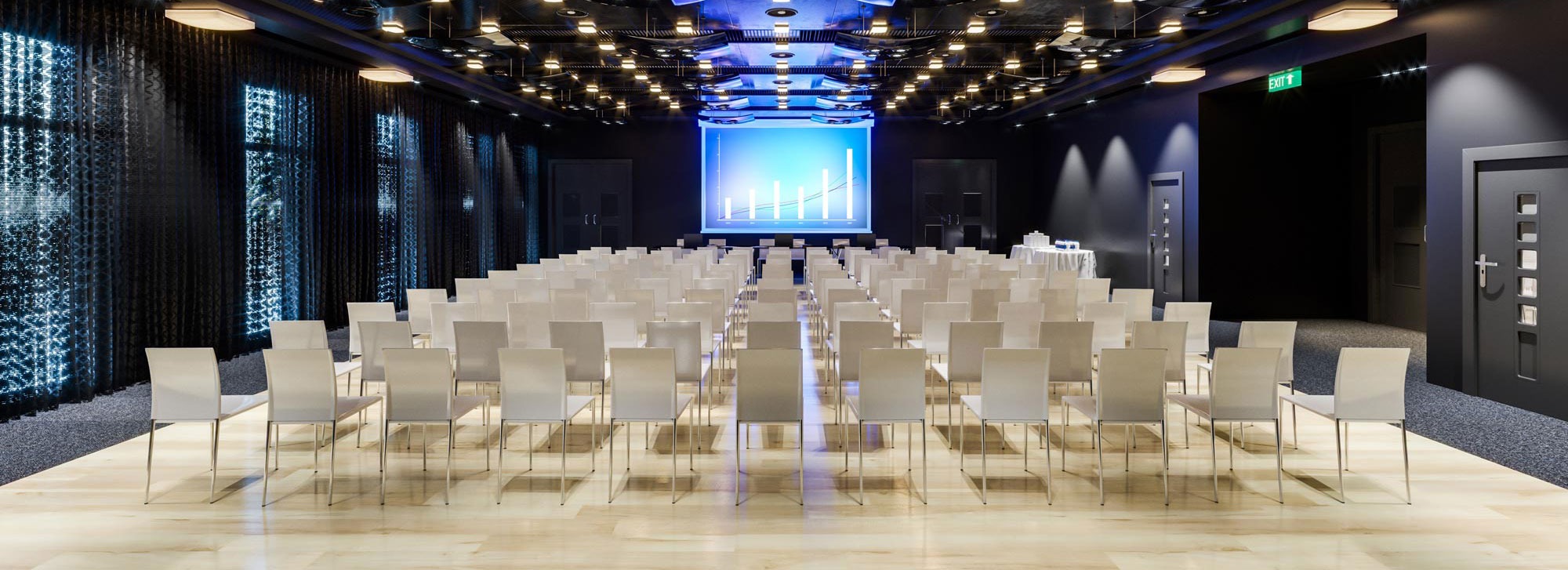
At minimum, your RFP needs four things: what the event is for, who's attending and how, what you're willing to spend, and how you'll decide. Skip any one of these and you'll spend more time interpreting proposals than comparing them.
Start with the event overview. Meetings industry guidance from MPI (Meeting Professionals International) points out that a strong opening section covers the event type, expected attendance, meeting pattern, and any high-priority business goals, plus whether the event includes exhibitions, sponsor activity, VIP functions, or hybrid components. That context shapes everything a vendor proposes next, so don't bury it in paragraph six.
From there, get specific on scope and format. Is this in-person, hybrid, single day, or multi-day? How many attendees, and is that number firm or a range? What's the general run of show, even at a high level: keynote, breakouts, networking, dinner? Vendors can't price what they can't picture.
Close the RFP with your process. State your deadline for proposals, when you'll make a decision, and who's involved in that decision. Vague timelines get vague responses. Clear ones get vendors who show up ready to talk specifics instead of fishing for more information first.
It also helps to name your evaluation criteria before the proposals land, not after. Are you weighing price most heavily, or is prior experience with events your size the bigger factor? Say so. A vendor who knows you're prioritizing Toronto-specific logistics experience over the lowest number will answer differently than one who thinks this is purely a cost comparison, and you'll get proposals that actually address what you care about instead of a generic pitch deck with your event name swapped in.
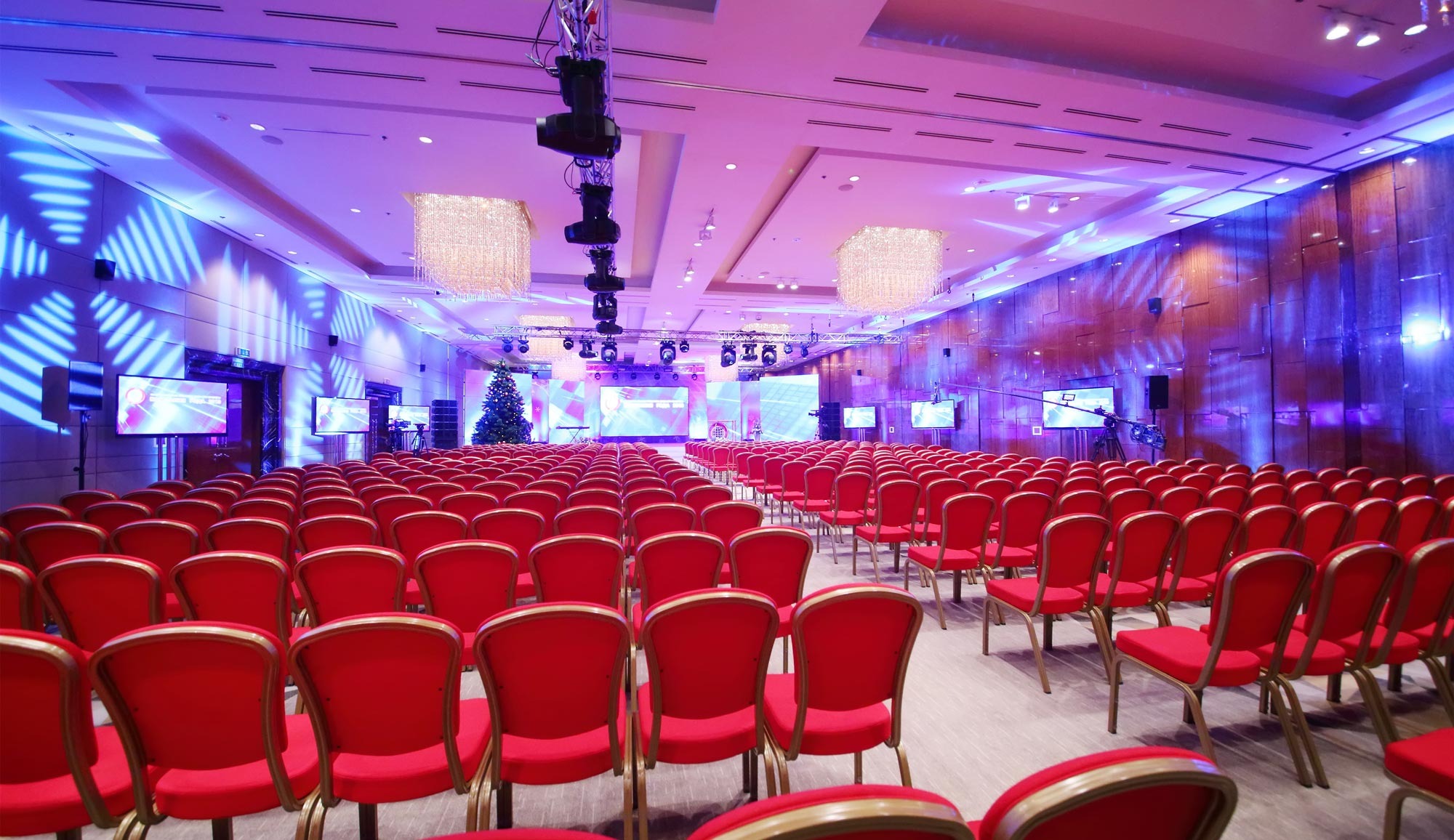
If your RFP doesn't ask about union labour, load-in windows, and what counts as included versus billed separately, you'll find out the hard way, usually a week before the event.
Venues like the Metro Toronto Convention Centre and Enercare Centre carry strict union labour requirements for rigging, power, and load-in. Ask directly who's coordinating that labour and whether it's built into the quoted number or itemized separately. Downtown hotels such as the Fairmont Royal York, the Sheraton Centre, and the Westin Harbour Castle often restrict vendor load-in to specific windows, and those windows rarely line up with a standard nine-to-five install. Heritage venues carry their own version of this problem: freight elevator access, noise restrictions, and union rules that a first-time Toronto planner has no reason to know about unless someone tells them.
Ask every vendor to state, in writing, what's included in their number and what shows up as a separate line item: rigging and labour, power distribution, internet and streaming bandwidth, and overtime if your event runs into a unionized crew's after-hours rate. We've reviewed proposals that looked identical on price until you dug into what each number actually covered. One included full AV and staffing. The other was just the room. Ask the question up front through your event logistics and vendor management process, and you won't find out at the invoice stage. If the venue itself is still up in the air, this is also where venue sourcing support earns its keep, since matching the venue to the event before you finalize the RFP avoids asking vendors to price a space that was never going to work.
Timing plays into this too. Fall conference season and the run-up to TIFF and the CNE put real pressure on downtown Toronto's calendar, and the venues and vendors who know how to work around union call times and load-in windows are the first ones booked. Your RFP should ask directly whether a vendor has experience with your specific venue type, not just event type in general. A production company that's worked the MTCC a dozen times will flag a rigging restriction before it becomes a problem. One that hasn't will find out the same day you do.
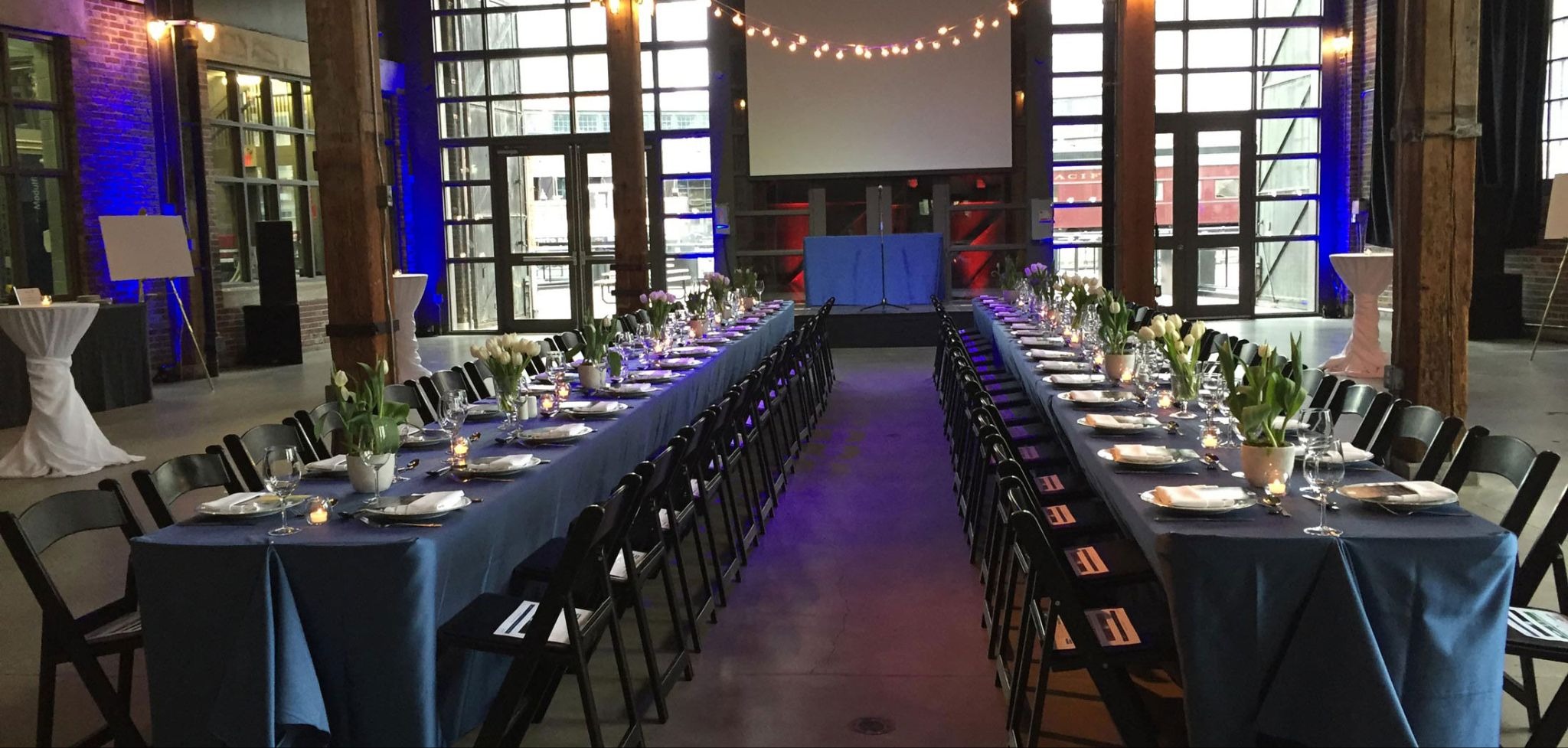
Ask for an itemized quote against your exact scope, not a bundled number, and ask every vendor to price the same scope so you're comparing real figures instead of different assumptions.
Request a full breakdown: venue, AV and production, catering, staffing, and any Toronto-specific costs like union labour and overtime. Ask about cancellation and rescheduling terms before you need them, not after you've signed. And ask what happens if attendance shifts by 10 to 15 percent in either direction, since minimums and per-person pricing move the total more than most budgets account for.
A vague number today is a change order tomorrow. If a vendor won't itemize when you ask, that's useful information too.
It's also worth comparing total cost, not just the headline number. A proposal that looks 10 percent cheaper on the summary page can end up more expensive once you add back the AV, staffing, and overtime the lower bidder left out and the higher one already built in. Ask about payment schedule while you're at it: a deposit structure that lines up with your own budget approval process saves you an awkward finance conversation two weeks before the event.

Ask who specifically will be on-site running your event, what the backup plan is if that person can't make it, and then call two references and ask them the same question.
The proposal tells you what a company can do. The references tell you what actually happened the last time they did it. One of our own client reviews puts this well. Susan Saganski, who worked with Sharm on a series of Ottawa customer events, wrote: "She took care of all the logistics involved in the event leaving me with the peace of mind that everything will run smoothly... I could not have executed this without her help and all the moving parts involved in the planning." That's the standard to hold a proposal to: not whether it sounds capable on paper, but whether the people behind it have actually delivered that peace of mind before.
Ask for 2 to 3 references from events similar in size and format to yours, and actually call them. A vendor who hesitates to provide references, or whose references are vague when you follow up, is telling you something. As another client, Sharon Portelli, put it after years of hiring Sharm directly: she "advocates for her client's best interests related to all aspects of the event, but she also acts as your partner from start to finish." That's the distinction worth asking about directly in an interview: does this vendor show up to execute a brief, or do they stay involved through the parts that never made it into the proposal?

Decor themes, final headcounts, detailed run-of-show, and specific menu selections don't belong in the RFP stage. Save them for after you've picked a partner.
Loading the RFP with granular design decisions slows down comparison and forces vendors to price things that haven't been decided yet, which is exactly how you end up with proposals that guess instead of quote. Here's what can safely wait:
The RFP's job is to find the right partner. The details get finalized once you've picked one, with the on-site event services team you actually chose, not five teams you're still comparing.

Most companies don't need five glossy decks that read the same. They need one clear answer to who's actually going to run the room, and what happens when something doesn't go to plan. That's the version of an RFP that tells you something.
If you're building an RFP for your next Toronto corporate event and want a second set of eyes on it before it goes out, our team is happy to look it over. We'll tell you what's missing before a vendor has to.
A complete RFP covers your event's objectives, expected attendance and format, a realistic budget range, your decision timeline, and Toronto-specific logistics questions like union labour requirements and what's included versus billed separately. Vendors should also be asked to name their on-site point person and provide references. Leaving any of these out makes proposals harder to compare, not easier.
Aim for 3 to 6 months ahead of your date for a standard corporate event. Push that to 6 to 9 months for fall conference season or December dates, when Toronto's best venues and most experienced vendors book up fastest. Sending an RFP with less runway usually means fewer venue options and a smaller pool of available vendors to choose from.
Five to eight is a workable range for most corporate events. Fewer than that limits your comparison. More than that turns evaluation into a second full-time job, and the extra proposals rarely change the outcome. Shortlist based on relevant experience before you send the RFP, not after.
Ask about union labour requirements at venues like the MTCC and Enercare Centre, load-in and load-out windows at downtown hotels, freight elevator access at heritage venues, and whether AV, power, and internet are included or billed separately. These are the details that generic, non-Toronto RFP templates consistently miss.
A vendor executes the brief you hand them. A partner stays involved in the parts that never made it into the proposal: catching a scheduling conflict before it becomes a problem, flagging a budget risk early, adapting when your plans change. The RFP process is where you find out which one you're actually hiring, mainly by asking how they've handled change in past events.
No. Decor themes, specific menu selections, and a minute-by-minute run-of-show can all wait until after you've selected a vendor. Including them in the RFP stage slows down comparison and asks vendors to price decisions that haven't been made yet. Keep the RFP focused on scope, budget, and team fit.
Watch for vague or bundled pricing with no itemization, no named on-site point person, hesitation to provide references, and resistance to putting terms in writing. A proposal that reads well but avoids specifics on any of these usually means the specifics won't improve once you've signed.
Written by Sharm, Director of Solutions at S&L Solutions Events. Sharm has led vendor selection and on-site execution for corporate conferences and multi-program events across Toronto, including logistics coordination for client programs with organizations like TD Wealth and Marriott.


