


Call Us: 289-232-4229
Email: info@slsolutionsevents.ca
Call Us: 289-232-4229
Email: info@slsolutionsevents.ca


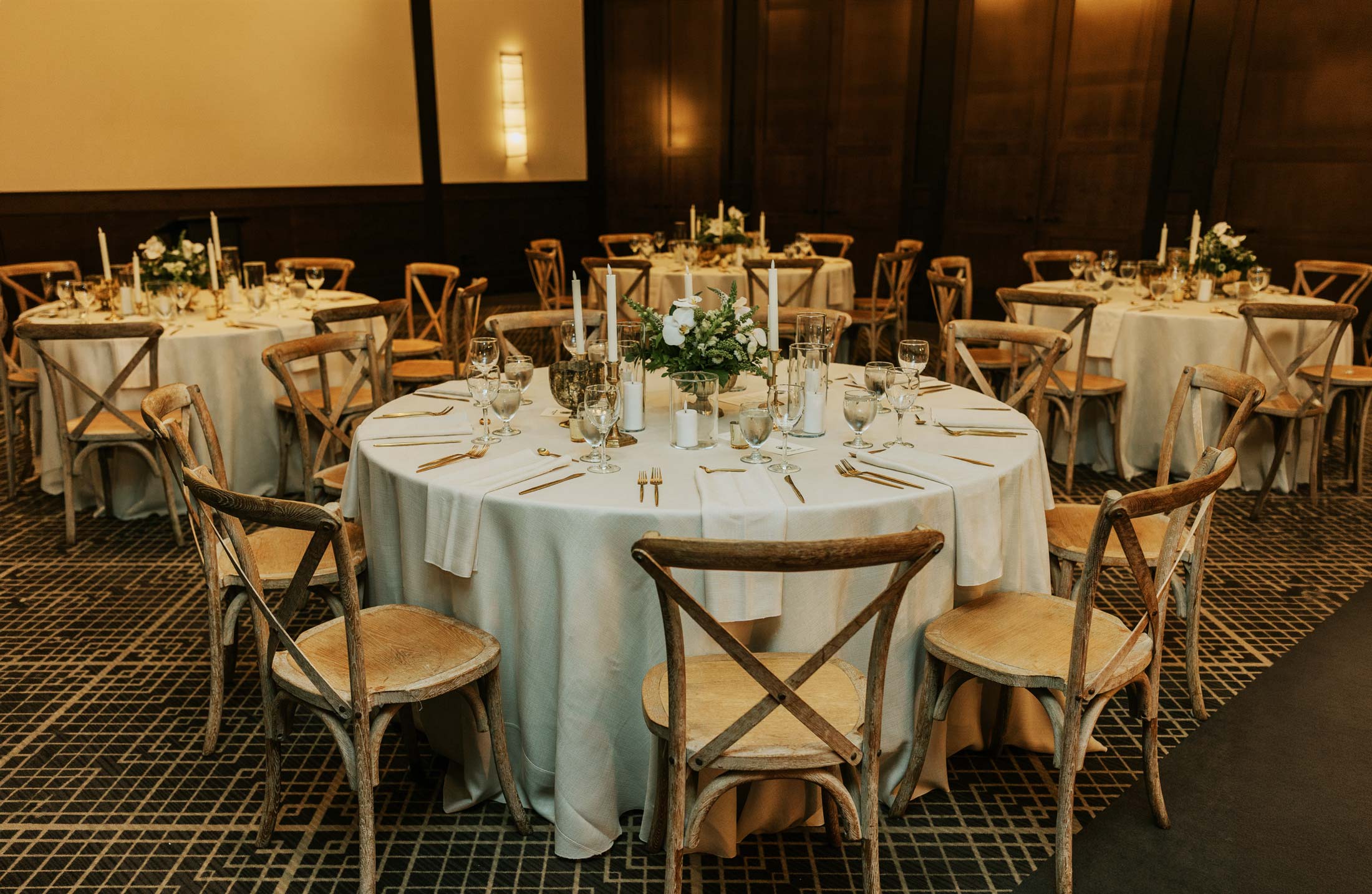


Someone in your office says, "let's do something for the team this quarter," or "we need to get in front of the Q4 clients," and before the goal is even named, someone is already pulling up venue listings. That's backwards, and it's also incredibly common.
There are a lot of different types of corporate events, more than most people realize until they're staring at our full range of event types and trying to figure out which one actually fits. That's not the hard part, though. The hard part is knowing which type solves the problem you actually have, and in a city with this much venue competition, guessing wrong costs you time you don't get back.
Most planning mistakes don't happen in the room. They happen months earlier, when someone picks the venue before they've picked the event.
In short: The type of corporate event you need depends on your goal, not your guest list. Team culture calls for a team-building day or offsite. Leadership alignment calls for a retreat. Client relationships call for a hosted experience, not a conference agenda. In Toronto, name the goal before you book a venue, since dates tied to MTCC-adjacent hotel space can fill 6 to 9 months out for fall conferences.
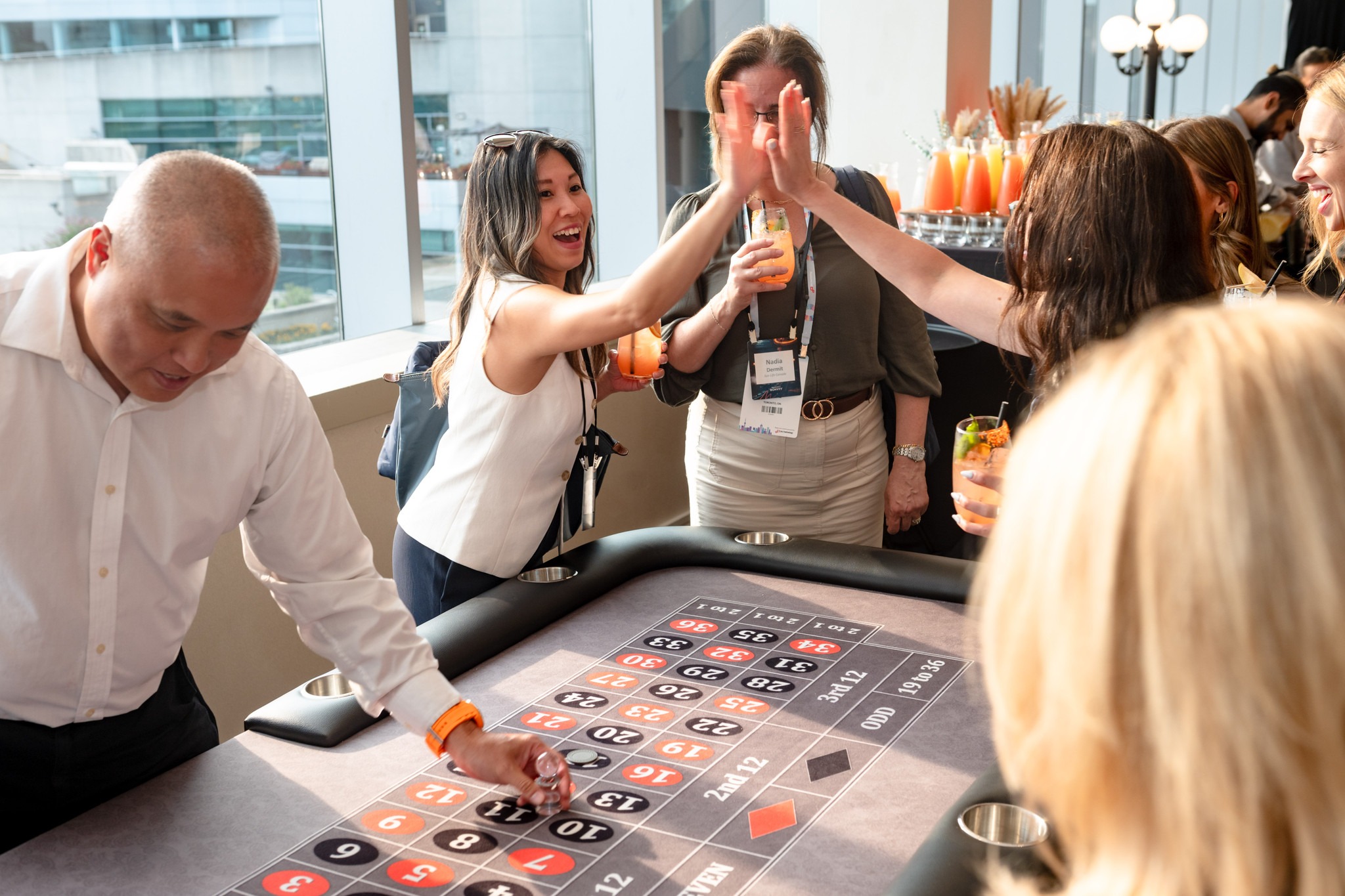
The event type matters more than the venue because it decides almost everything downstream: the budget shape, the timeline, who has to be in the room, and what success even looks like. Skip that decision and you end up reverse-engineering a goal to fit whatever venue happened to be available, which is how a retreat ends up feeling like a conference, or a client event ends up feeling like an all-hands.
Get the type wrong and the cost isn't always obvious right away. You might not notice until three weeks out, when the "team day" you booked turns out to need a completely different agenda than what your leadership group actually needs to walk away with.
Toronto adds real pressure to get this right early. The Metro Toronto Convention Centre runs a packed slate of citywide conventions most years, including TIFF's business programming each September, and that alone tightens downtown hotel blocks and comparable meeting space well before fall. If your goal calls for a large-format conference, that calendar pressure matters enormously. If it calls for a twelve-person leadership retreat at a boutique property, it barely registers. You can't know which situation you're actually in until the type is named.

Toronto companies host corporate events that generally fall into three families: internal events built around your own team, external events built around clients or the market, and hybrid or virtual formats built around reach.
Internal events include team-building days, executive retreats, and recognition or incentive programs, all designed to move something inside the organization, whether that's morale, alignment, or performance. External events include conferences, product launches, and client appreciation events, designed to move something outside the organization, like brand visibility or a relationship. Hybrid and virtual formats aren't really a fourth category so much as a delivery choice layered on top of the other two, useful whenever part of your audience can't be in the room.
None of these formats is inherently better than another. A well-run team-building afternoon can do more for retention than an expensive conference nobody asked for. The type that's "best" is the one that's actually built around what you're trying to accomplish, which is the part most companies skip.
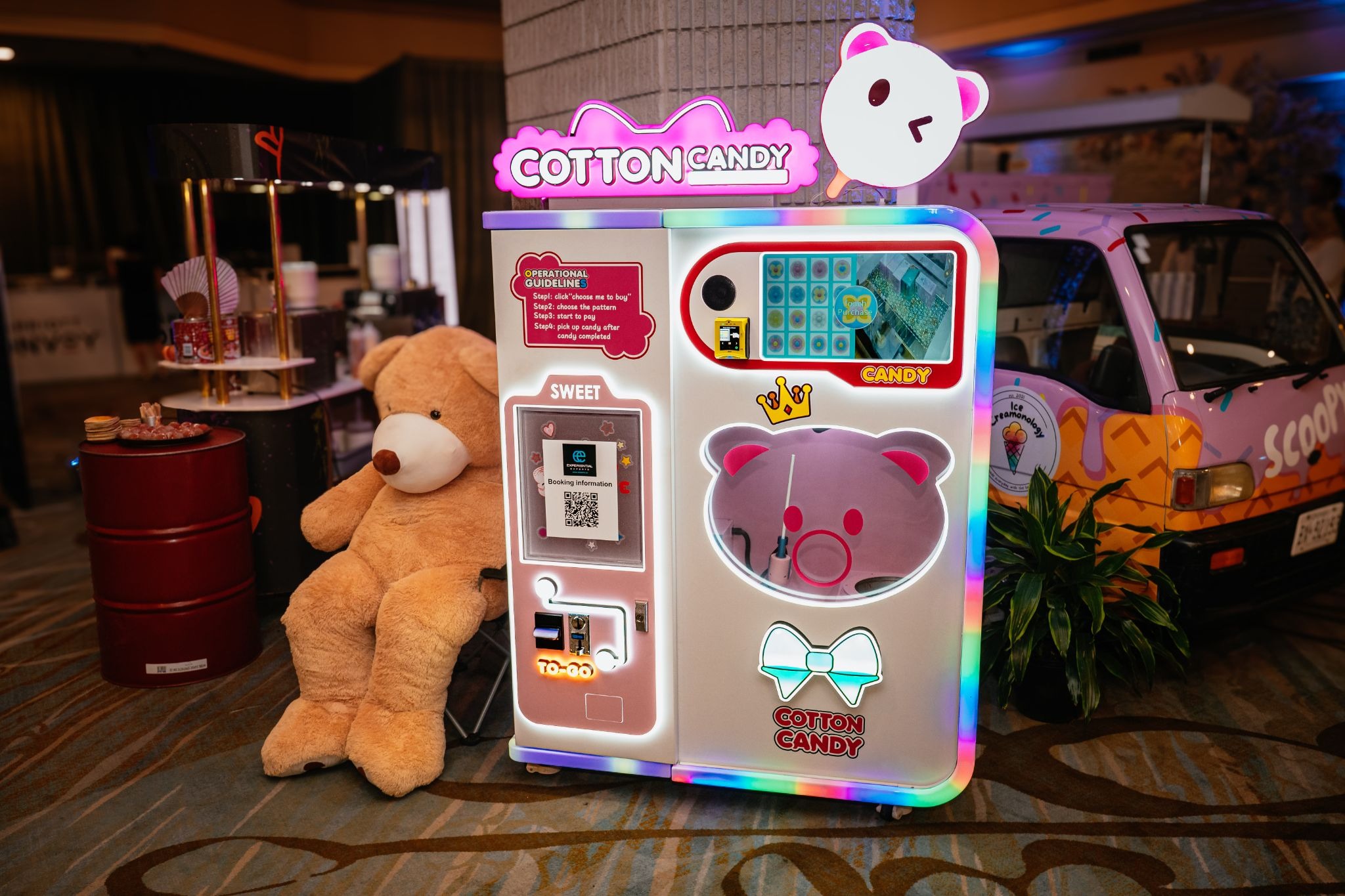
The type of corporate event you need is almost always answered by the goal, not the guest list, the budget, or the calendar. Name the goal first and the format tends to choose itself.
You need a team-building day or experiential offsite, something built around shared activity rather than shared seating. These work best when they're short enough to protect a workday (three to four hours consistently outperforms a full day for behavioural impact) and built around real participation, not a stage and a microphone.
You need a retreat, not a team-building day. Retreats run longer, often a full day or overnight, and are structured around real working time, strategic planning sessions, leadership discussions, with informal time layered around the edges rather than as the whole point.
You need a hosted client experience, not an internal agenda dressed up for guests. That might be a dinner, a curated activity, or a smaller-format reception, but the tell is that the content and pacing are built around what the client wants to feel, not what your team wants to present.
You need a conference presence or dedicated launch event, something built for an audience that doesn't already know your company well. These formats carry more production weight (staging, AV, signage) because the goal is impact on people meeting you for the first time.
You need an incentive or recognition program, built around celebration and specificity, calling out real wins rather than generic thanks. These land better when they're tied to something the team actually accomplished, not scheduled just because it's Q4.
You need a hybrid or virtual format layered onto whichever type above actually matches your goal. A leadership retreat can run hybrid if part of the team is remote. A client event can go fully virtual if travel isn't realistic. The format is a delivery decision. The type is still a goal decision.
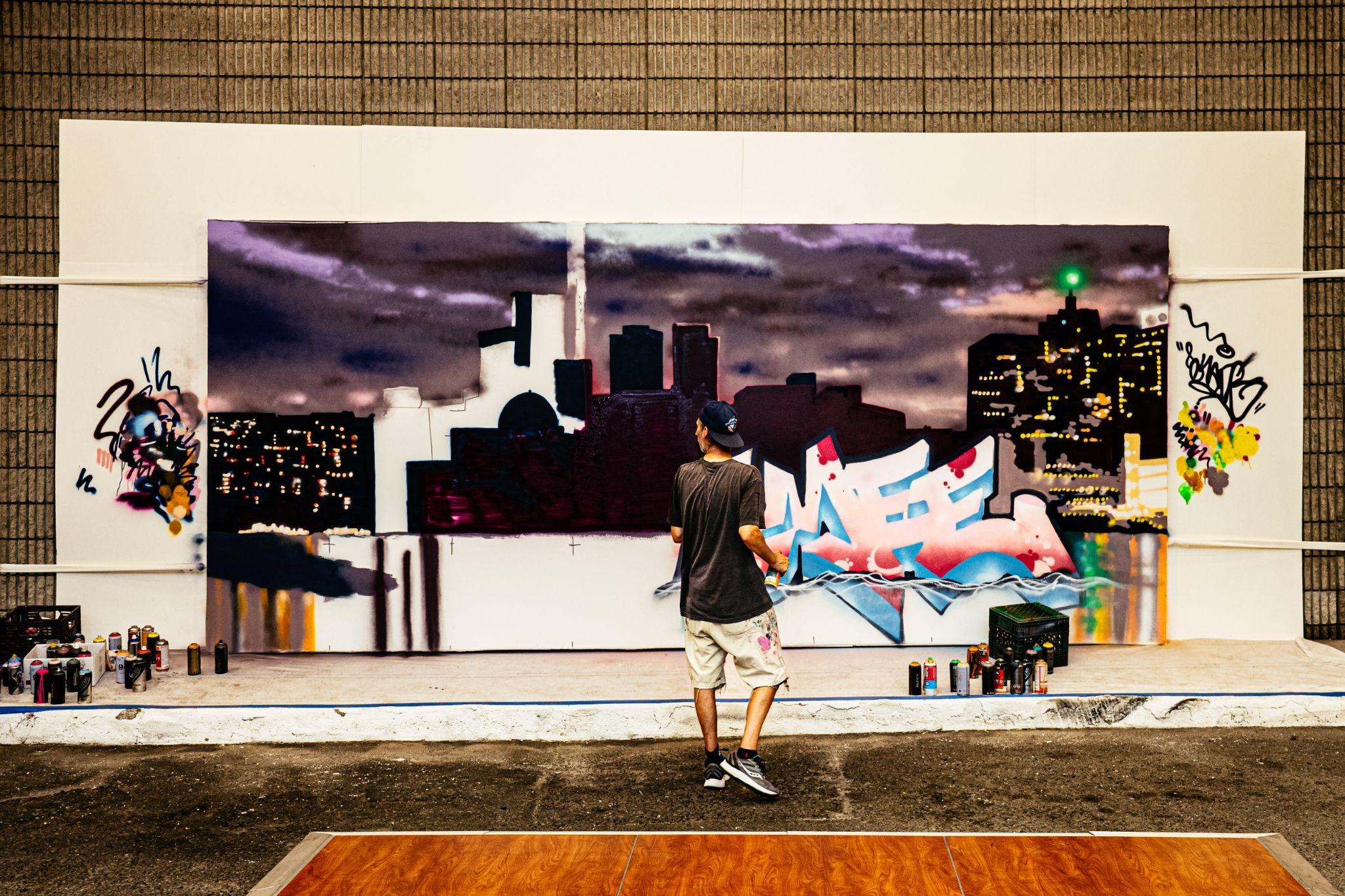
Toronto changes the equation mainly through calendar pressure and neighbourhood fit, both of which affect the type you land on more than most planners expect.
Financial District venues like the Fairmont Royal York or Shangri-La suit client-facing formats well: polished, central, and built for people who are judging your company by the room they're standing in. Liberty Village and the Distillery District suit team culture events better, more character, more flexibility, and a feel that reads as "we made an effort" rather than "we booked a ballroom." The tradeoff is that Distillery District's heritage buildings often carry union labour requirements and cobblestone-related freight restrictions that don't apply to a modern Financial District tower, which matters if your event type needs heavy production.
Booking lead times follow the same neighbourhood logic. A downtown conference tied to MTCC-adjacent hotel space is realistically a 6 to 9 month lead for fall dates, simply because citywide conventions claim that inventory first. A smaller executive retreat at a property in Etobicoke or a boutique hotel is far more flexible, often bookable 8 to 12 weeks out. Neither timeline is a problem once you know which one you're actually working with.
Sometimes the honest answer isn't one type at all. When Susan L. LoCicero at TD Wealth wrote to Sharm after a 200-guest day that ran across four different programs at once, she called it out directly: "I truly appreciate your positive energy and get it done attitude; it was really what won it for us yesterday as we hosted 200 guests over the course of the day in 4 different programs." That day wasn't a single event type stretched thin. It was four, each built to its own goal, running in parallel without the seams showing to the guests moving between them.
Once you've named the type (or types), venue sourcing narrows fast, because you're no longer shopping the whole city. You're shopping the two or three neighbourhoods that actually fit.
Decide the goal, the audience, and the event type now. Everything else, the specific venue, the entertainment, the detailed run-of-show, can wait until the type is locked.
That order matters because the details only make sense once the type is set. A shortlist of two or three venues is enough at this stage; a signed contract isn't necessary yet. Entertainment, décor, and run-of-show planning are all easier, and cheaper, to get right once you know whether you're building a retreat or a launch event, because the type tells vendors what they're actually bidding on.
The same logic applies to the vendor conversations that come later. A caterer, an AV team, or an entertainment vendor can give you a sharper quote once they know whether they're building a 40-person retreat or a 300-person launch, instead of guessing at a range that could fit either.
Companies that skip this order usually end up reworking something. A venue gets booked before the goal is settled, then the program has to bend around a room that was never built for it. Naming the type first is what keeps that from happening.
Picking the type of event isn't a formality before the real planning starts. It's the real planning. Most companies don't need someone to hand them a venue shortlist. They need someone who asks what the event is actually supposed to do, first, then builds backward from there.
That's where our event organizer services start, before a single venue tour happens. Whether the answer turns out to be one sharp conference or four programs running at once the way it did for TD Wealth, our on-site event services team handles what the type demands once it's chosen.
If you already know the goal but not the format, tell us what you're trying to accomplish. We'll tell you what kind of event actually gets you there.

Toronto companies typically host six formats: conferences and summits for thought leadership, team-building days and offsites for culture, executive retreats for leadership alignment, client appreciation events for relationship building, incentive or recognition programs for performance, and hybrid or virtual meetings for distributed teams. Each supports a different business goal, and most organizations use more than one format across a calendar year rather than relying on a single event type for everything.
Start with the goal, not the guest list. If you're trying to build culture or morale, you likely need a team-building event. If leadership needs to reset strategy, a retreat fits better. Client-facing goals call for a hosted experience built around relationship, not an internal agenda. Naming the goal first, before touching a venue list, is what actually determines the right type.
Yes, and it happens more often than planners expect. S&L Solutions has run a single client day that included four distinct programs for TD Wealth, each built around a different audience and goal, coordinated to run in parallel. The key is designing each program to its own purpose rather than forcing one format to serve everyone in the room.
For conferences or events tied to MTCC-scale venues, 6 to 9 months out is realistic, since the centre's calendar fills with citywide conventions well ahead of peak fall dates. Smaller formats like team offsites or executive retreats have more flexibility, often bookable 8 to 12 weeks out, though popular Toronto neighbourhoods still tighten up in spring and fall.
A team-building event is usually shorter, activity-driven, and designed to build connection or morale in a single session. A retreat runs longer, often a full day or overnight, and is built around structured working time such as strategy sessions or leadership planning, with informal time layered around it. Retreats serve alignment goals; team-building events serve culture and morale.
Not really. The format, in-person, hybrid, or virtual, is a delivery decision, while the event type is a goal decision. A leadership retreat can run hybrid if part of the team is remote, and a client event can run virtually if travel isn't realistic. Pick the type based on the goal first, then decide how much of it needs to happen in person.
Whoever owns the outcome the event is supposed to produce. For culture or engagement goals, that's often HR or People leadership. For client-facing events, it's sales or account leadership. For company-wide alignment, it's usually the executive team. Involving that person before the venue search starts prevents the most common planning mistake: picking a format the goal owner never actually wanted.


